Paper and Pixels in Harmony

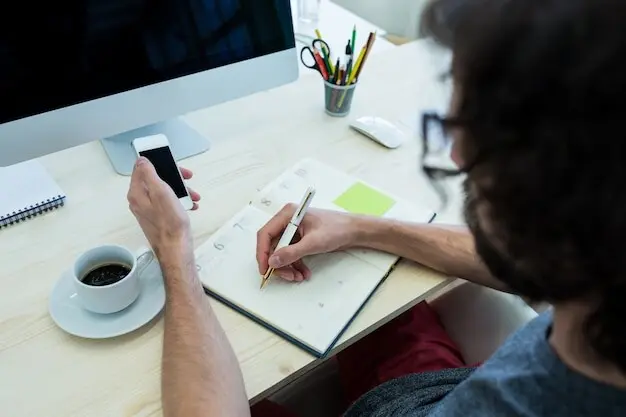
Today we dive into Analog‑Digital Hybrid PKM, where notebooks, index cards, and apps work together to capture sparks, connect ideas, and create outcomes. Expect practical workflows, human stories, and gentle experiments that help handwritten insights meet searchable databases. Bring your favorite pen, your most trusted app, and a curious mind. Share questions as you read, and subscribe if you want ongoing field‑tested practices that make your notes breathe, travel, and reliably become meaningful work.

Handwriting That Accelerates Understanding

Longhand note‑taking often boosts comprehension by forcing selective, generative processing rather than verbatim transcription. Many readers recall the first time a quick margin sketch crystallized a concept faster than any wiki page could. Use notebooks for sense‑making during meetings, reading, and thinking. Later, distill highlights to digital notes, letting the slower ink capture meaning while software preserves structure, links, and context you will need when ideas must move.

Where Apps Truly Shine

Apps win at indexing, linking, and resurfacing. They thrive when you want instant search, bidirectional references, spaced reminders, and integrations that move text between writing, calendars, and task systems. The trick is resisting the temptation to customize endlessly. Keep file names, tags, and folders simple. Make automation serve your judgment, not replace it. Let the computer remember everything, while your mind decides what matters and how it should be shaped next.

Capture Pipelines That Actually Stick

From Page to Camera to Inbox

Finish a notebook page, draw a bold divider, and snap a clean photo with a scanner app that auto‑crops and enhances contrast. Send the image to a single digital inbox with a short title and two consistent tags. Later, process that queue in batches, extracting atomic notes while archiving the original image. This flow preserves the kinesthetic truth of handwriting while granting software the power to retrieve, cross‑reference, and evolve the ideas.

Index Cards as Atomic Ideas

Finish a notebook page, draw a bold divider, and snap a clean photo with a scanner app that auto‑crops and enhances contrast. Send the image to a single digital inbox with a short title and two consistent tags. Later, process that queue in batches, extracting atomic notes while archiving the original image. This flow preserves the kinesthetic truth of handwriting while granting software the power to retrieve, cross‑reference, and evolve the ideas.

Voice, Widgets, and Quick Stashes

Finish a notebook page, draw a bold divider, and snap a clean photo with a scanner app that auto‑crops and enhances contrast. Send the image to a single digital inbox with a short title and two consistent tags. Later, process that queue in batches, extracting atomic notes while archiving the original image. This flow preserves the kinesthetic truth of handwriting while granting software the power to retrieve, cross‑reference, and evolve the ideas.

Organize Without Over‑Organizing
Order should serve discovery, not perfectionism. Hybrid PKM shines when lightweight structures guide you but do not cage you. Rely on a small set of stable tags, sensible folders, and clear note titles. Compliment them with physical affordances like colored dots or dividers. Let search, backlinks, and card clusters reveal shape over time. You will know it works when finding a half‑forgotten idea feels like meeting a helpful old friend.

Think Better Through Deliberate Review

Notes are not a warehouse; they are a workshop. Build review habits that refine, compress, and connect. Use progressive summarization to highlight, then distill, then headline what matters. Pair this with spaced revisits scheduled by your task manager. On paper, pull small random sets of cards to test recall. In software, follow backlinks to surprise yourself. Together, these cycles harden insight, invite synthesis, and make future you incredibly grateful.

Turning a Card Constellation Into an Outline

Lay cards on a table and group them into beats. Snap a photo, then recreate the structure in your writing app as headings. Attach supporting digital notes to each heading. Delete duplicates and mark gaps with intentional questions. This translation preserves the tactile judgment formed during physical arrangement while gaining the momentum of a linear draft. Many creators find this handoff unlocks stalled projects by converting possibility into a crisp, navigable plan.

Drafting With Linked Notes and Focus Sessions

Open your draft beside a linked note pane. Write in short sprints, pulling quotes, definitions, and examples with a few keystrokes. Resist researching mid‑sentence; instead, tag missing pieces and keep moving. After each sprint, update any card that gained clarity. These loops prevent rabbit holes while guaranteeing accuracy later. The interplay of scaffolding and flow transforms scattered references into a coherent voice that respects sources, deadlines, and your reader’s precious attention.

Publish, Teach, and Invite Conversation

Turn finished work into shareable artifacts: a blog post, a short talk, or a workshop handout that includes a photographed card spread. Ask readers which parts sparked action, then capture their responses as new cards and notes. Invite subscriptions for future walkthroughs and templates. This outward spiral keeps your system alive, strengthens accountability, and turns a private archive into a public engine for collaboration, serendipity, and ongoing, generous learning together.

Sustain, Safeguard, and Evolve

Longevity comes from rituals and resilience. Keep a short daily capture check, a weekly processing session, and a monthly review of active projects. Back up relentlessly across formats. Favor plain text, open standards, and acid‑free paper. Audit your stack quarterly, pruning duplicates and archiving finished work. Evolution beats overhaul; change one variable at a time. Ask for recommendations, share what worked, and keep curiosity bright so your system stays kind and effective.

Daily and Weekly Rhythms That Keep Momentum

Each morning, clear your quick‑capture inbox and promote at least one insight to a card or linked note. Each evening, review the day’s notebook margin headlines. On Fridays, process scans, link fresh notes, and refill your ready‑to‑write list. Tiny, steady commitments prevent backlog avalanches and keep your sense‑making flexible. Over time, these rhythms compound into a trustworthy companion that meets you where you are and nudges you forward without drama.

Backups, Formats, and Future‑Proofing

Protect work with a simple rule: three copies, two mediums, one offsite. Export critical notes as plain text or Markdown, preserve key references as PDF/A, and keep photos of annotated pages in dated folders. Sync to a cloud service and a local drive. Store cherished cards and notebooks in archival sleeves. These dull‑sounding habits save creative lives during device failures, app shutdowns, or hurried moves, letting ideas outlive tools and circumstances gracefully.

Evolve Your Stack With Experiments, Not Upheavals

When curiosity strikes, test new tools in a sandbox project with a clear time limit. Keep core workflows untouched while you evaluate real benefits. If the experiment wins, migrate gradually with written rules. If it fails, archive learnings and move on. Invite readers to share their favorite pairings of cards and apps in the comments, and subscribe for future teardown guides. Evolution, not whiplash, keeps your hybrid PKM resilient and joyful.
Lorolivopiraxaripalo
Privacy Overview

This website uses cookies so that we can provide you with the best user experience possible. Cookie information is stored in your browser and performs functions such as recognising you when you return to our website and helping our team to understand which sections of the website you find most interesting and useful.